
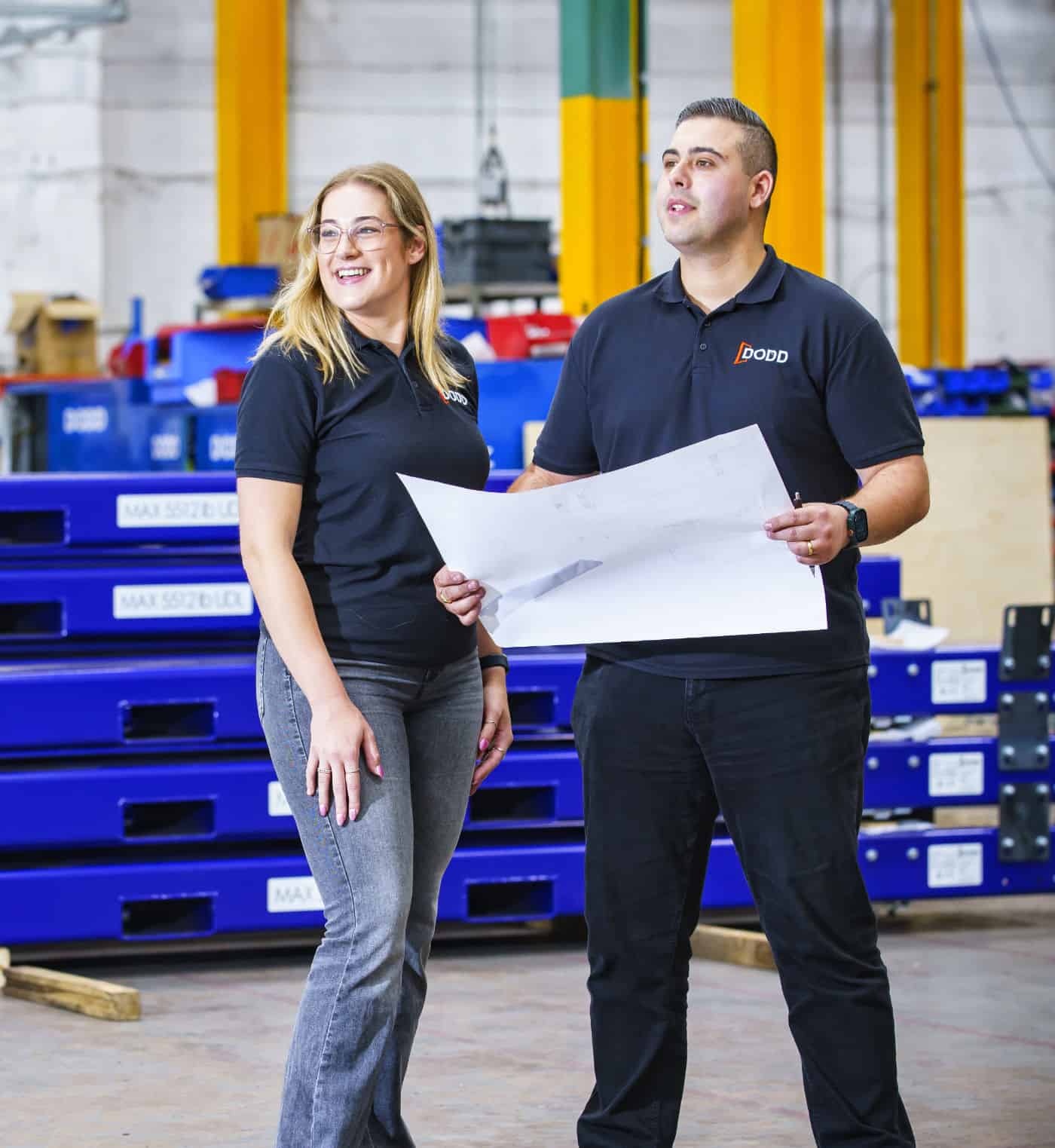
The modular equipment manufacturing industry is buzzing with innovation, but one thing remains constant: the importance of strong client relationships. In an era defined by rapid technological advancements, it’s easy to overlook the human element. However, in modular equipment manufacturing, where projects are complex and the stakes are high, personalized service and first-name relationships are proving to be the key differentiators.
The global modular machine platforms market is projected to grow at a compound annual growth rate (CAGR) of 5.1% between 2025 and 2034, reaching USD 12.9 billion by 2034. Meanwhile, the broader modular construction market is estimated to be worth USD 103.55 billion in 2024 and is projected to reach USD 162.42 billion by 2030, growing at a CAGR of 7.9%. This growth creates both opportunity and pressure for manufacturers to stand out.
First-name service goes beyond just knowing a client’s name; it’s about understanding their unique needs, challenges, and goals. It’s about building a relationship based on trust, transparency, and mutual respect. This approach fosters loyalty, enhances project outcomes, and ultimately drives profitability. When clients feel valued and understood, they’re more likely to return for future projects and recommend your services to others.
In today’s competitive landscape, where speed to market and cost efficiency are critical, personalized partnerships offer a significant advantage. By understanding each client’s specific requirements, manufacturers can tailor solutions that optimize efficiency and minimize delays. For example, a real estate developer considering modular construction faces different challenges than a general contractor working under tight deadlines. A manufacturer who recognizes these distinctions and customizes their service accordingly is more likely to succeed.
Dodd Modular has long recognized the value of client-focused service. By prioritizing first-name relationships, we’ve built a reputation for reliability, transparency, and exceptional customer support. Our clients know they can count on us to deliver tailored solutions that meet their specific needs, on time and within budget. This commitment to personalized service has been a key driver of our success and a major differentiator in the market.
Building strong client trust through first-name relationships requires a systematic approach. It starts with investing in customer relationship management (CRM) systems that track not only transaction history but also personal details about clients. It also means prioritizing open communication, responsiveness, and accessibility. When clients know they can reach a decision-maker directly, their confidence in the relationship strengthens substantially.
The modular equipment manufacturing sector is experiencing an inflection point, with adoption patterns shifting from niche applications to mainstream acceptance. As the market expands, manufacturers who can tailor solutions across diverse application domains while maintaining efficiency and quality control will be best positioned for success.
In conclusion, personalized partnerships and first-name service are no longer just nice-to-haves; they’re essential for success in the modern modular equipment manufacturing industry. By prioritizing client relationships, manufacturers can build trust, enhance project outcomes, and drive long-term profitability.
Ready to experience the Dodd Modular difference? Contact us today to learn more about our client-focused approach.
Frequently Asked Questions (FAQs)
What is first-name service in modular equipment manufacturing?
First-name service is a client-centric approach where manufacturers treat clients as individuals, using personalized communication and tailored solutions. This fosters trust and improves customer satisfaction.
How do personalized partnerships improve project outcomes in modular construction?
Personalized partnerships enhance communication, problem-solving, and customization, leading to faster project completion and fewer delays.
Why is personalization critical in modular equipment manufacturing versus off-the-shelf equipment?
Modular manufacturing’s inherent customization and complex coordination benefit greatly from personalized service, which reduces communication failures and improves project outcomes.
.